

How to Use a Fire Extinguisher: A Complete Guide for Safety
A small fire seems minor, but 93% of fire deaths happen after it grows beyond its start. In fact, extinguishers stop 94% of small fires within two minutes when used correctly. Knowing how to deploy this tool effectively is a powerful skill.
This guide walks you through everything you need to know about fire extinguishers. You'll learn how to pick the right one and use it effectively, so you feel confident in an emergency.
Here's what we cover:
- Finding the correct extinguisher type
- Mastering the PASS method
- Key safety steps before you act (RACE)
- Identifying when you should never try to fight the fire
We want you to feel secure knowing you can handle an unexpected situation. Spectrum Fire Protection makes sure your fire safety equipment, like your extinguishers, stays ready.
Understanding Different Types of Fire Extinguishers
Fires get classified based on what's burning. Your extinguisher needs to match the fire's class. Using the wrong one is ineffective and can be dangerous.
Class A Fire Extinguishers
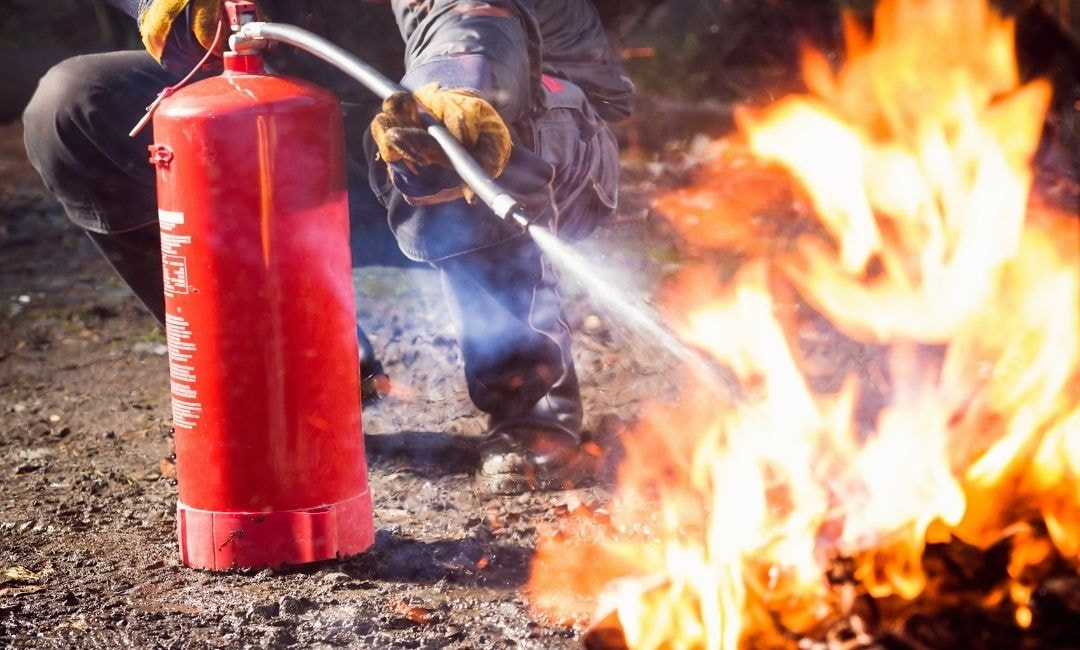
These extinguishers tackle fires involving ordinary combustible materials.
What catches fire here? Things like:
- Wood and paper
- Cloth and fabrics
- Rubber and many plastics
- Everyday trash
Class A extinguishers typically work by cooling the fuel source. Water or a water-based agent lowers the temperature of the material. This helps in stopping the combustion process.
You'll find these extinguishers in many standard settings. They are common in:
- Homes
- Offices
- Classrooms
- Warehouses storing solid goods
Their main limitation is that they should never be used on flammable liquids, electrical fires, or kitchen grease fires. Using water on grease, for example, can make the fire spread rapidly.
Class B Fire Extinguishers
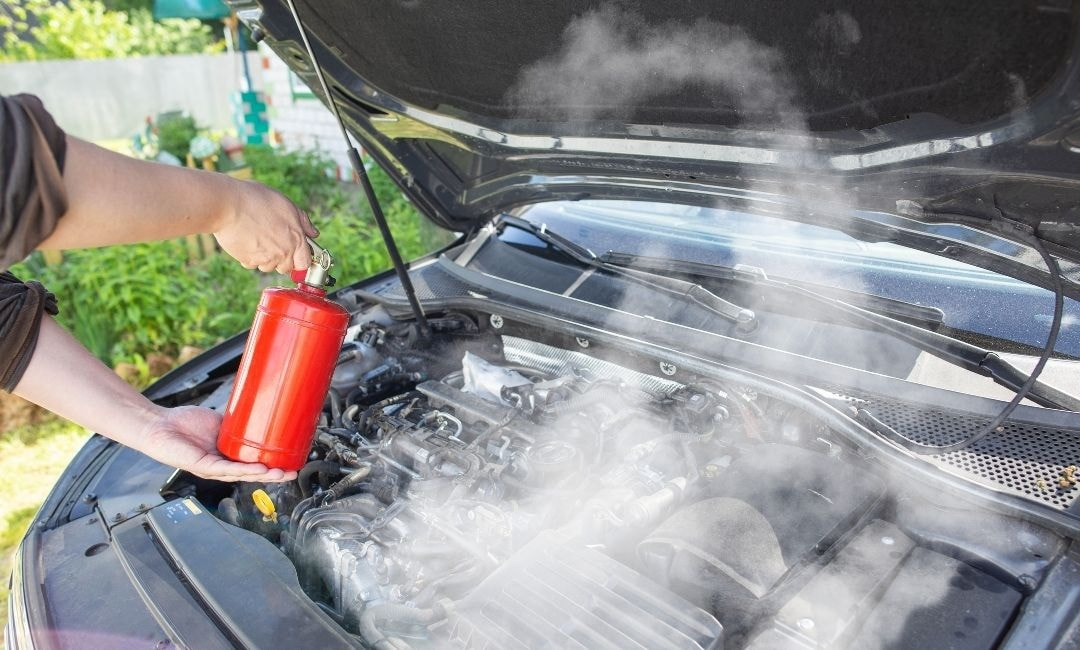
When flammable liquids or gases ignite, you need a Class B extinguisher.
This includes materials like:
- Gasoline, oils, and paint
- Grease (petroleum-based, not cooking)
- Solvents and lacquers
- Propane and natural gas
These extinguishers work by smothering the fire. They create a barrier that cuts off the oxygen supply needed to burn.
They often use agents like foam, carbon dioxide (CO2), or dry chemicals. You typically see Class B extinguishers in places storing or using these materials.
Common spots include:
- Garages and workshops
- Chemical storage areas
- Manufacturing facilities
- Service stations
Class B extinguishers should not be used on fires involving ordinary solid combustibles (Class A) or energized electrical equipment (Class C).
Class C Fire Extinguishers

Fires involving energized electrical equipment require a Class C extinguisher. Using water here could cause electrocution.
What falls into this category?
- Appliances
- Wiring and circuits
- Computers and electronics
- Machinery with electrical components
These extinguishers work because the extinguishing agent is non-conductive. It disrupts the fire without posing an electrical shock hazard to the person using it.
Common agents are CO2 or specific dry chemicals. You'll find Class C extinguishers anywhere electrical fires are a risk.
Look for them in:
- Server rooms and data centers
- Offices and schools
- Manufacturing plants
- Near electrical panels
It's important to note that a Class C rating only applies while the equipment is electrically energized. If the power is off, the fire might become a Class A (if it's structural materials burning) or Class B (if liquids are involved).
Class D Fire Extinguishers
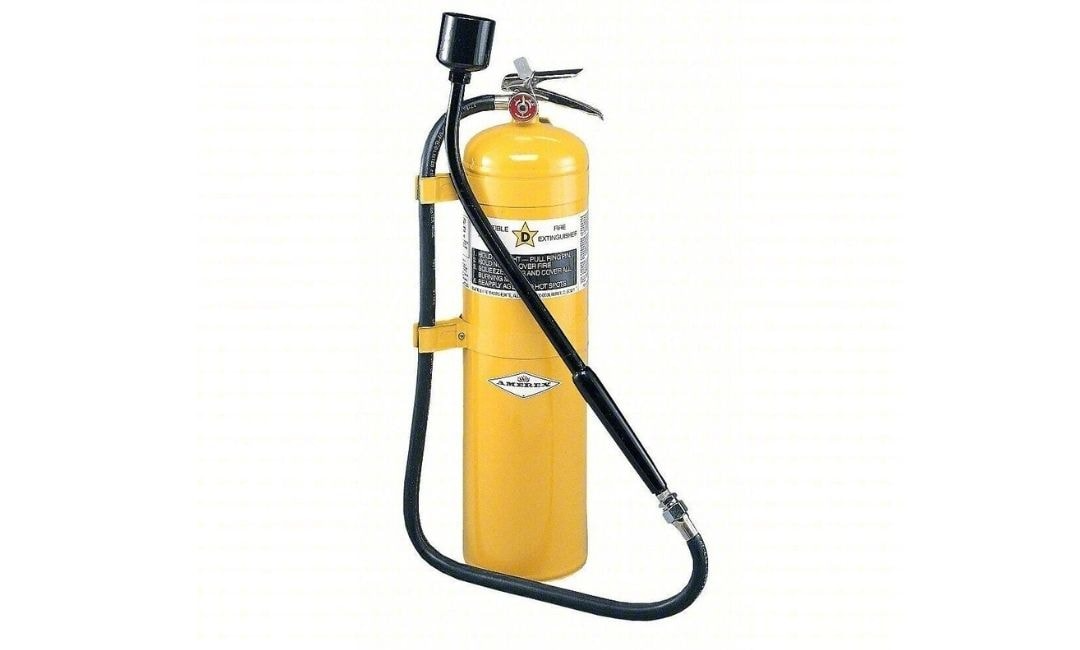
These are highly specialized extinguishers for combustible metals. These fires are rare outside of industrial settings but incredibly dangerous.
Metals that burn include:
- Magnesium
- Titanium
- Potassium
- Sodium
Class D extinguishers use unique dry powder agents. These powders are specifically formulated to handle the intense heat and reactivity of burning metals. They usually work by smothering and heat absorption.
You will only find Class D extinguishers in specific locations. These include:
- Manufacturing plants using or processing these metals
- Laboratories working with reactive metals
- Foundries
Class D extinguishers are only for metal fires. Using them on any other type of fire is ineffective and could cause a dangerous reaction or spread the fire. They require specific knowledge to use correctly.
Class K Fire Extinguishers
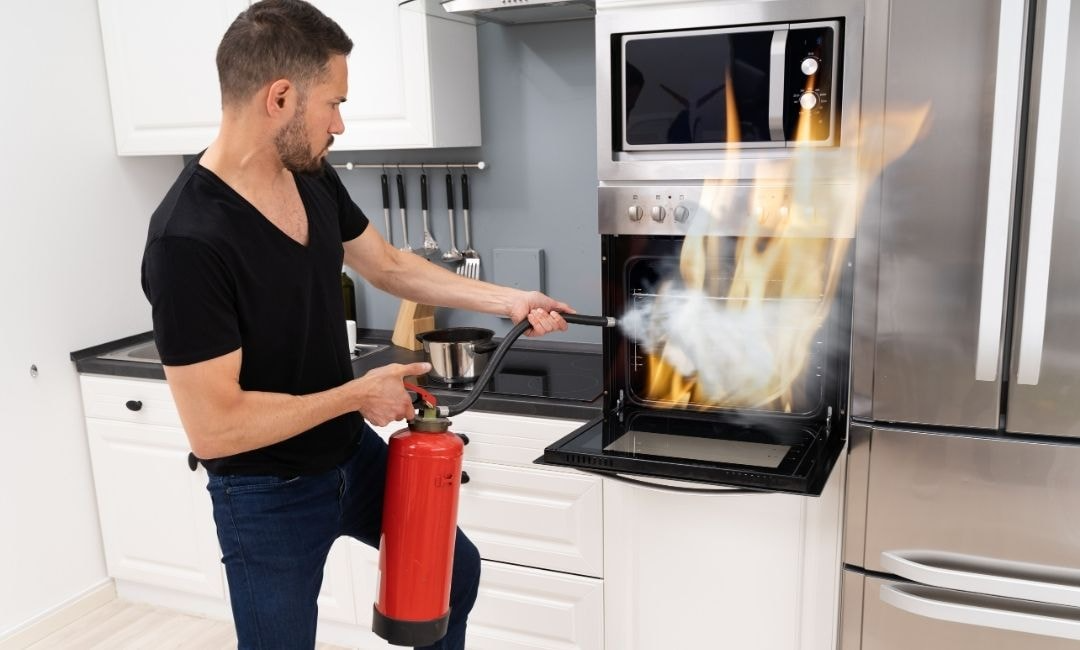
Class K extinguishers are essential for commercial cooking fires. These involve high-temperature cooking oils, fats, and grease.
This specifically targets:
- Vegetable oils
- Animal fats
- Other cooking media
These fires burn hotter than petroleum-based fires and need a different approach. Class K extinguishers use a wet chemical agent. This agent cools the fire and reacts with the hot oils or fats (a process called saponification) to create a soapy foam layer. This layer seals the surface, preventing reignition.
You are required to have Class K extinguishers in:
- Commercial kitchens (restaurants, cafeterias)
- Food trucks
- Other food preparation areas using commercial fryers or cooking equipment
Class K extinguishers are only for cooking media fires. While they might have some effect on other fires, they are specifically designed and most effective for high-temperature kitchen oils and fats.
Multi-Class Fire Extinguishers
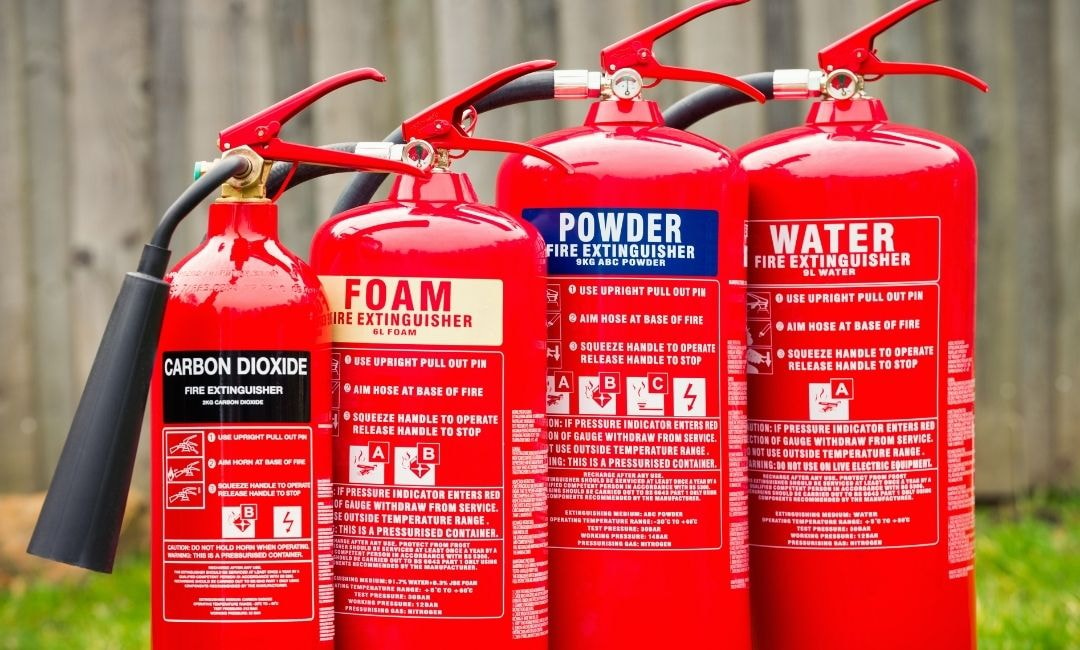
The most common type you'll likely see is the multi-class extinguisher, often rated ABC.
These are versatile tools designed to fight more than one type of fire. An ABC extinguisher uses a dry chemical powder that works on:
- A: Ordinary combustibles
- B: Flammable liquids
- C: Energized electrical equipment
This makes them a solid choice for general protection in many environments. They cover the most frequent fire hazards you might encounter at home or in many businesses.
However, while versatile, they aren't perfect for every situation. They aren't effective on combustible metals (Class D) or high-temperature cooking oils (Class K). Sometimes, a specialized extinguisher is a better fit for a particular high-risk area. We can help assess the specific fire risks on your property. Spectrum Fire Protection helps you select the right mix of multi-class and specialized extinguishers to ensure comprehensive coverage.
How to Operate a Fire Extinguisher: The PASS Technique

Remembering PASS helps you react quickly and correctly when seconds truly matter. Let's break down each step.
P - Pull the Pin
Your first step is activating the extinguisher.
Every portable fire extinguisher has a safety pin located in the handle. This pin prevents accidental discharge. You need to pull this pin out completely. There's usually a tamper seal you'll break when you do this. Grip the carrying handle firmly and pull the ring or pin with your other hand.
Common problems people hit here:
- The pin feels stuck or is hard to pull.
- The tamper seal is surprisingly tough to break.
- Forgetting to pull it at all in the rush.
Safety consideration: Never point the nozzle at yourself or others while pulling the pin. It might accidentally discharge if the handle is squeezed simultaneously.
A - Aim at the Base of the Fire
Once the pin is out, you need to aim the nozzle.
This is a critical step many get wrong in panic. You don't aim at the flames themselves. You must aim the nozzle low, directly at the base of the fire, where the fuel source is burning. Knocking down flames is temporary; hitting the base takes away what's fueling the fire.
Proper positioning is also key.
- Stand a safe distance back from the fire (check the extinguisher's range).
- Position yourself between the fire and your clear escape route.
- Get low if possible; smoke rises, and staying lower improves visibility and breathing room.
Common mistakes:
- Aiming over the fire at the smoke or the top of the flames.
- Getting too close to the heat and smoke.
- Standing in a way that blocks your exit.
Safety consideration: Always ensure you have a clear path to safety behind you. If the fire grows, you need to be able to retreat fast.
S - Squeeze the Handle
Now it's time to release the extinguishing agent.
Hold the extinguisher body steady and squeeze both handles together. This activates the valve, releasing the pressurized contents through the nozzle.
What to expect when you squeeze:
- The agent will discharge with significant force and noise.
- Dry chemical agents create a cloud that can reduce visibility.
- CO2 can be very loud and displace oxygen rapidly.
Most extinguishers have a simple on/off squeeze mechanism. You control the application by how you move the nozzle, which brings us to the final step.
Common mistakes:
- Not squeezing hard enough to break the seal or release pressure.
- Jerking the handle in panic.
Safety consideration: Be ready for the force and potential reduction in visibility caused by the agent. Avoid breathing in the agent or smoke; get fresh air if needed.
S - Sweep from Side to Side
The final action is applying the agent across the burning area.
While squeezing the handle, sweep the nozzle back and forth across the base of the fire. Move slowly and deliberately across the full width of the fire. This ensures you cover the entire burning area with the extinguishing agent.
Continue sweeping until the fire appears to be out. Then, keep watching the area. Fires can easily reignite, especially if the fuel source isn't completely cooled or smothered.
Common mistakes:
- Sweeping too quickly or too narrowly.
- Only targeting one spot instead of the whole base.
- Stopping sweeping as soon as the flames disappear without watching for reignition.
Safety consideration: Watch the fire closely. Be ready to discharge more agent or retreat if it starts to flare up again.
Learning the PASS technique significantly increases your chances of successfully stopping a small fire. Having well-maintained extinguishers, something we ensure for our clients, makes executing these steps reliable when you need them most.
Before You Use a Fire Extinguisher: RACE Protocol
Remembering RACE ensures you handle the initial moments of a fire in the safest possible way.
R - Rescue
Your first priority is always getting people out of danger.
Quickly check the immediate area for anyone who needs help evacuating. Can you safely assist them? Your life is not worth risking for property.
Think about anyone who might need extra assistance. Children, the elderly, or individuals with disabilities may require more time or direct support to get to safety. Ensure everyone who can evacuate safely does so immediately.
A - Alarm
Once people are safe, you need to sound the alarm.
Pull the nearest fire alarm pull station on your way out. This alerts others in the building.
Crucially, make sure the fire department is called. Either call 911 or ensure someone else has already done it. Emergency responders need to be on their way right away. Our reliable fire alarm systems are designed to activate quickly and alert authorities, helping ensure this vital step happens fast.
C - Contain
If you can do it safely while exiting, try to contain the fire.
Close doors behind you as you leave a room or area. This helps slow the spread of fire and smoke.
Why contain? Closing doors limits the fire's oxygen supply and helps compartmentalize the building. This buys valuable time for people to evacuate and for firefighters to arrive.
E - Extinguish/Evacuate
This is the crucial decision point: Do you fight the fire, or do you get out?
Only attempt to extinguish the fire if:
- It is small and contained (like in a wastebasket).
- You have the correct type of extinguisher for what is burning.
- Your escape route is clear and directly behind you.
- You feel confident that you can use the extinguisher successfully.
If the fire is growing rapidly, the room is filling with smoke, you don't have the right extinguisher, or your exit is blocked, do not try to fight it. Evacuate immediately. Always know your planned escape routes ahead of time.
When NOT to Use a Fire Extinguisher
Attempting to use an extinguisher in the wrong situation can put you in serious danger. Here are key signs that tell you it is time to evacuate, not fight.
- The fire is already too big. Portable extinguishers have a limited agent. If the fire is larger than a small wastebasket, you simply don't have enough power to put it out safely. It will likely grow faster than you can fight it.
- You don't know what is burning. As we saw, different fire classes need different extinguishers. Using water on a grease fire or an ABC on a metal fire can escalate the situation quickly and dangerously. If you're unsure, stay away.
- The room is filling with smoke. Smoke is toxic and disorienting. If you can't see the base of the fire clearly or are having trouble breathing, your priority shifts entirely to getting out fast. Don't risk smoke inhalation.
- You don't have a clear escape route behind you. Never put yourself in a position where the fire is between you and safety. If your exit is blocked or could become blocked, evacuate immediately.
- The extinguisher is too small or the wrong type. Even if the fire is small, if your only available extinguisher isn't rated for the class of fire or is too small for the potential size, it won't work. This is why having the right types in the right places matters.
- You are not confident in your ability to use it. Panic is a natural reaction. If you feel overwhelmed, unsure of the steps, or physically unable to handle the extinguisher, that's okay. The safest action is always to evacuate.
Fire Extinguisher FAQs
What does a fire extinguisher do?
A fire extinguisher is a portable tool that helps you put out small fires during an emergency. It works by spraying a substance that either cools the burning material or smothers the fire by blocking its oxygen, stopping the fire from growing.
How long does a fire extinguisher last?
Their lifespan varies. Disposable types might last around 12 years. Rechargeable ones can last much longer, sometimes 20 years or more, but they require regular professional inspection and maintenance to remain reliable.
Can I use an expired fire extinguisher?
We do not recommend using an extinguisher with an expired inspection tag or one past its recommended lifespan. The pressure might be low, the agent could be compromised, or mechanical parts might fail. It simply might not work when you need it most. Always check the pressure gauge and inspection tag.
How do I dispose of an old fire extinguisher?
Don't just toss it in the trash. Extinguishers contain pressurized chemicals. Contact your local fire department or a hazardous waste disposal facility. They can advise you on safe and proper disposal methods in your area.
Can I use a fire extinguisher more than once?
Most common types (like dry chemical) are designed for one complete discharge. Even a very short burst requires the extinguisher to be professionally depressurized, inspected, and recharged. It won't work correctly again otherwise.
How close do I need to be to use a fire extinguisher effectively?
Check the label for the specific model's range, but generally, stand back about 6 to 8 feet. You need to be close enough for the agent to reach the base of the fire forcefully, but far enough away to stay clear of the heat and smoke.
What should I do if the fire extinguisher doesn't work?
If you pull the pin, aim, and squeeze, and nothing happens or the fire isn't going out quickly, your immediate action is to evacuate. Drop the extinguisher and follow your escape plan instantly. Do not waste time trying to fix it or look for another one unless it's right next to you and safe to grab.
Are fire extinguishers mandatory in homes?
Mandatory requirements vary greatly by local jurisdiction. While not federally mandated for all homes, they are strongly recommended by fire safety experts for added protection. They are often required in apartment buildings, townhomes, or homes with attached garages, depending on local codes.
What's the difference between disposable and rechargeable extinguishers?
Disposable extinguishers are typically smaller, intended for single use, and you discard them afterward. They usually don't have a pressure gauge. Rechargeable extinguishers are often larger, have a pressure gauge you should check, and can be refilled and certified by a professional after use or as part of regular maintenance. Rechargeable models are often more cost-effective in the long run for businesses due to servicing options.
Ready to Stay Fire Safe With Spectrum Protection?
Knowing your fire extinguisher basics makes a big difference in an emergency. Understanding the types, the right steps, and your safety limits gives you the power to act if a small fire occurs. That preparedness helps protect both people and property.
Here are the key takeaways to remember:
- Pick the right extinguisher class for the fire.
- Use the PASS technique correctly every time.
- Follow the RACE safety protocol first.
- Know exactly when it's unsafe to fight a fire.
- Keep your equipment ready with maintenance.
Being truly prepared means your equipment is reliable and ready when you need it. We provide the services to select, install, inspect, and maintain your extinguishers properly. Spectrum Fire Protection ensures your vital fire safety tools are always prepared. Call us at (866) 872-1381 or email info@spectrumforfireprotection.com.
let's get started
Get expert fire protection services and compliance support for your business today.